
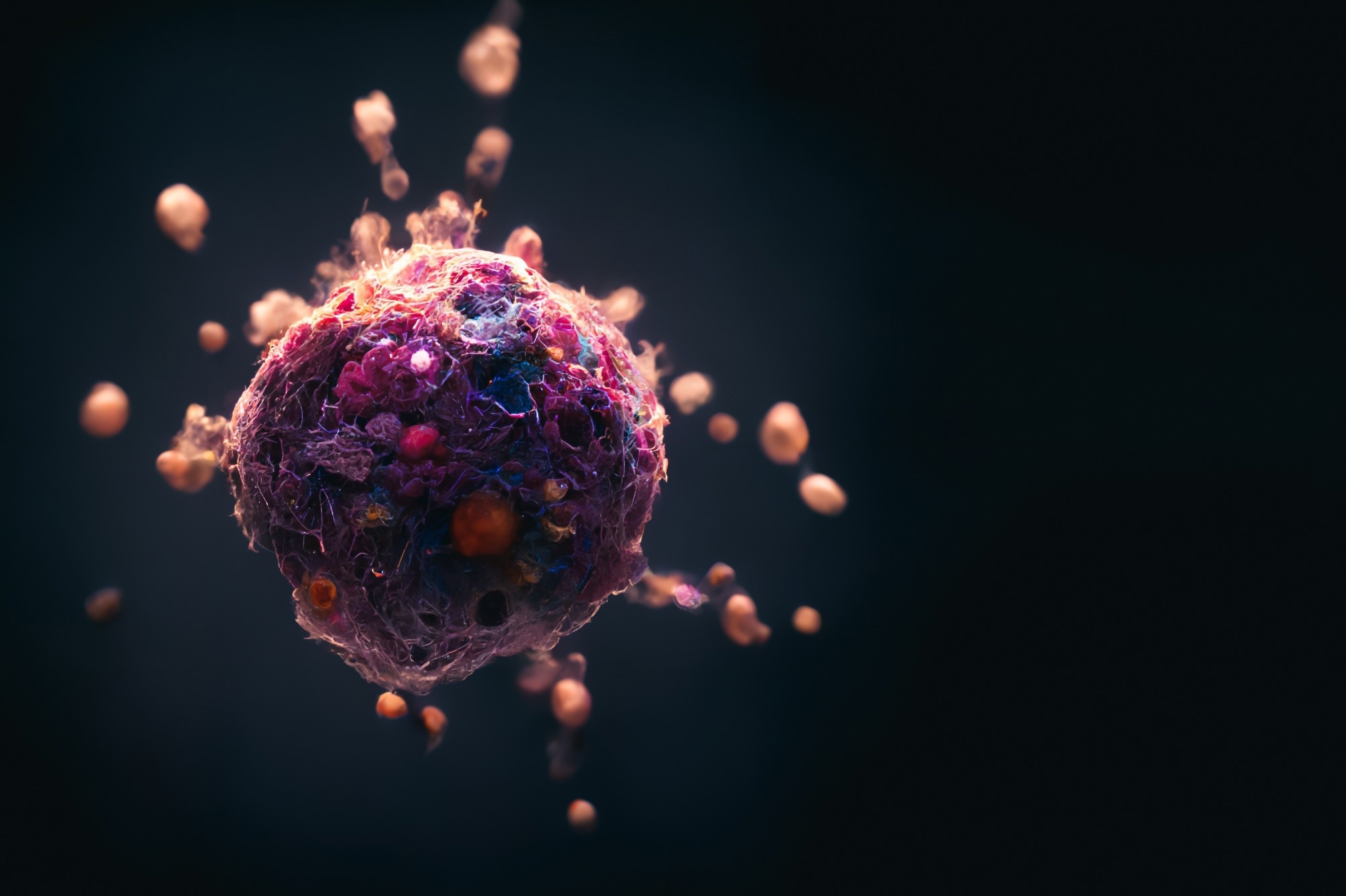
A recent article in Nature Communications describes a nanovaccine platform designed to support the development of personalized cancer vaccines. This approach uses tumor cell membranes enriched with neoantigens to improve antigen presentation.
The vaccine, called the Antigen-Enriched Cell Membrane (AECM) nanovaccine, aims to address limitations of current strategies, including low immunogenicity, inefficient antigen presentation, and complex manufacturing processes.
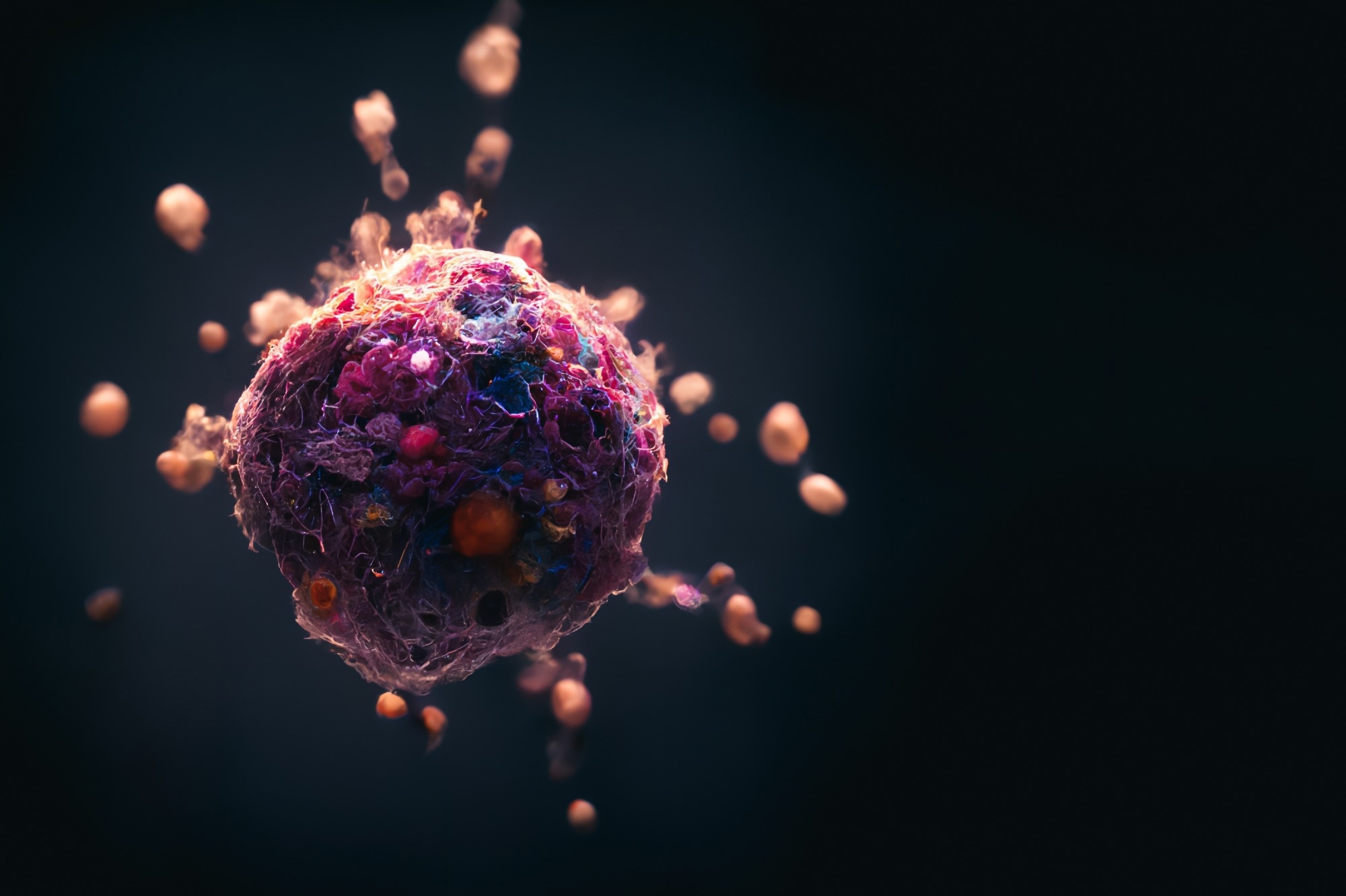 Image Credit: CI Photos/Shutterstock.com
Background
Cancer cells express various tumor-associated antigens, particularly neoantigens resulting from somatic mutations. These antigens can be useful targets for immune responses. Because neoantigens are unique to individual tumors, identifying and presenting them is central to personalized immunotherapy.
However, tumor heterogeneity, immune evasion, and limited antigen presentation reduce the effectiveness of conventional vaccines that rely on peptide synthesis or whole-cell lysates.
Biomimetic nanovaccines coated with cancer cell membranes have gained attention due to their biocompatibility and ability to carry tumor antigens. These vaccines can mimic natural tumor antigens and help stimulate immune responses.
Interferon-gamma (IFN-γ), a cytokine involved in immune regulation, improves antigen presentation by increasing MHC expression and supporting cross-presentation. Previous studies have shown that synthetic adjuvants like PC7A (a polymer that activates the STING pathway) can further improve vaccine responses.
The Current Study
The researchers developed a personalized nanovaccine using several steps. First, tumor cells from mice or human cell lines were treated with IFN-γ to increase neoantigen expression. These treated cells were then processed to isolate tumor membranes, producing the Antigen-Enriched Cell Membranes (AECM).
To create the nanovaccine, AECM were combined with PC7A. This polymer serves as an immune adjuvant and activates the STING pathway. The resulting nanoparticles (AECM@PC7A) structurally resemble cell membranes and are designed for efficient delivery and immune activation. Their size, stability, and antigen loading capacity were confirmed through physical and chemical analysis.
Murine models, including subcutaneous and metastatic tumors, were used to assess vaccine performance. BALB/c mice with CT26 tumors and other tumor-bearing mice received the vaccine through subcutaneous or intratumoral injections. Tumor growth was monitored, and immune responses were assessed using flow cytometry, T-cell assays, and histology.
Results and Discussion
The AECM@PC7A nanovaccine triggered neoepitope-specific T-cell responses, even at low doses. These responses were associated with reduced tumor growth in different mouse models. IFN-γ was essential for enhancing neoantigen presentation across tumor types, which improved the vaccine’s potential application. Molecular analyses confirmed enrichment of neoantigens in tumor membranes and successful integration with the PC7A polymer to form stable nanoparticles.
After administration, dendritic cells quickly took up the vaccine. Antigen presentation occurred through cross-dressing, a process where tumor antigens are transferred to dendritic cell surfaces. This led to activation of CD8+ T cells. The vaccine induced T-cell responses that could recognize multiple tumor antigens. Importantly, the response was restricted to MHC class I, which is required for cytotoxic T cell activation and tumor killing.
In animal models, the vaccine reduced tumor size and prevented metastasis. In some cases, complete tumor regression was observed. The vaccine also supported long-term immune memory and protected against tumor recurrence. When combined with immune checkpoint inhibitors, the vaccine’s effectiveness increased. In post-surgical and humanized models, it delayed metastasis and extended survival.
Mechanistic studies showed that PC7A activated the STING pathway, promoting dendritic cell maturation and innate immune activation. The use of IFN-γ–stimulated neoantigens was key to generating stronger immune responses and helped overcome tumor evasion strategies such as reduced MHC expression.
Conclusion
This study presents a nanovaccine platform that uses tumor-derived membranes and a synthetic adjuvant to improve personalized cancer vaccine development. The approach allows for broader neoantigen presentation and stronger immune responses.
These findings support continued investigation toward clinical translation and potential use in combination therapies for cancer treatment.
Journal Reference
Li Y., et al. (2025). Neoantigen enriched biomimetic nanovaccine for personalized cancer immunotherapy. Nature Communications. DOI: 10.1038/s41467-025-59977-8, https://www.nature.com/articles/s41467-025-59977-8