
Close Menu
  • News
    • Medical
    • Nanomaterials
    • AI & Robotics
    • 2D Materials
    • Metamaterials
    • Nanoelectronics
    • ETF’s
    • Medicine
  • Environment
    • Earth.com
    • TreeHugger
    • Nanomuscle
  • Beauty
    • Makeupanalysis
What's Hot

Biomass-Derived Nanomaterials Offer a Greener Route to Pollution Cleanup

September 1, 2026

Nanozyme Aptasensors Show Promise for Faster Food, Health, and Environmental Testing

September 1, 2026

Researchers Solve Two Major Problems Holding Back SiC Electronics

September 1, 2026
Facebook X (Twitter) Instagram
  • Contact Us
  • Privacy Policy
  • Terms & Conditions
Facebook X (Twitter) Instagram
Elnano – Global Innovative Nanotechnology SolutionsElnano – Global Innovative Nanotechnology Solutions
  • News
    • Medical
    • Nanomaterials
    • AI & Robotics
    • 2D Materials
    • Metamaterials
    • Nanoelectronics
    • ETF’s
    • Medicine
  • Environment
    • Earth.com
    • TreeHugger
    • Nanomuscle
  • Beauty
    • Makeupanalysis
Elnano – Global Innovative Nanotechnology SolutionsElnano – Global Innovative Nanotechnology Solutions
Home » Study Delivers Cancer Drugs Directly to the Tumor Nucleus
Medical

Study Delivers Cancer Drugs Directly to the Tumor Nucleus

October 13, 2025No Comments3 Mins Read
Share
Facebook Twitter LinkedIn Pinterest Email

Reviewed by Frances BriggsOct 13 2025

A new peptide-based nanotube treatment sneaks chemo into drug-resistant cancer cells, providing a unique workaround to one of oncology’s toughest hurdles. 
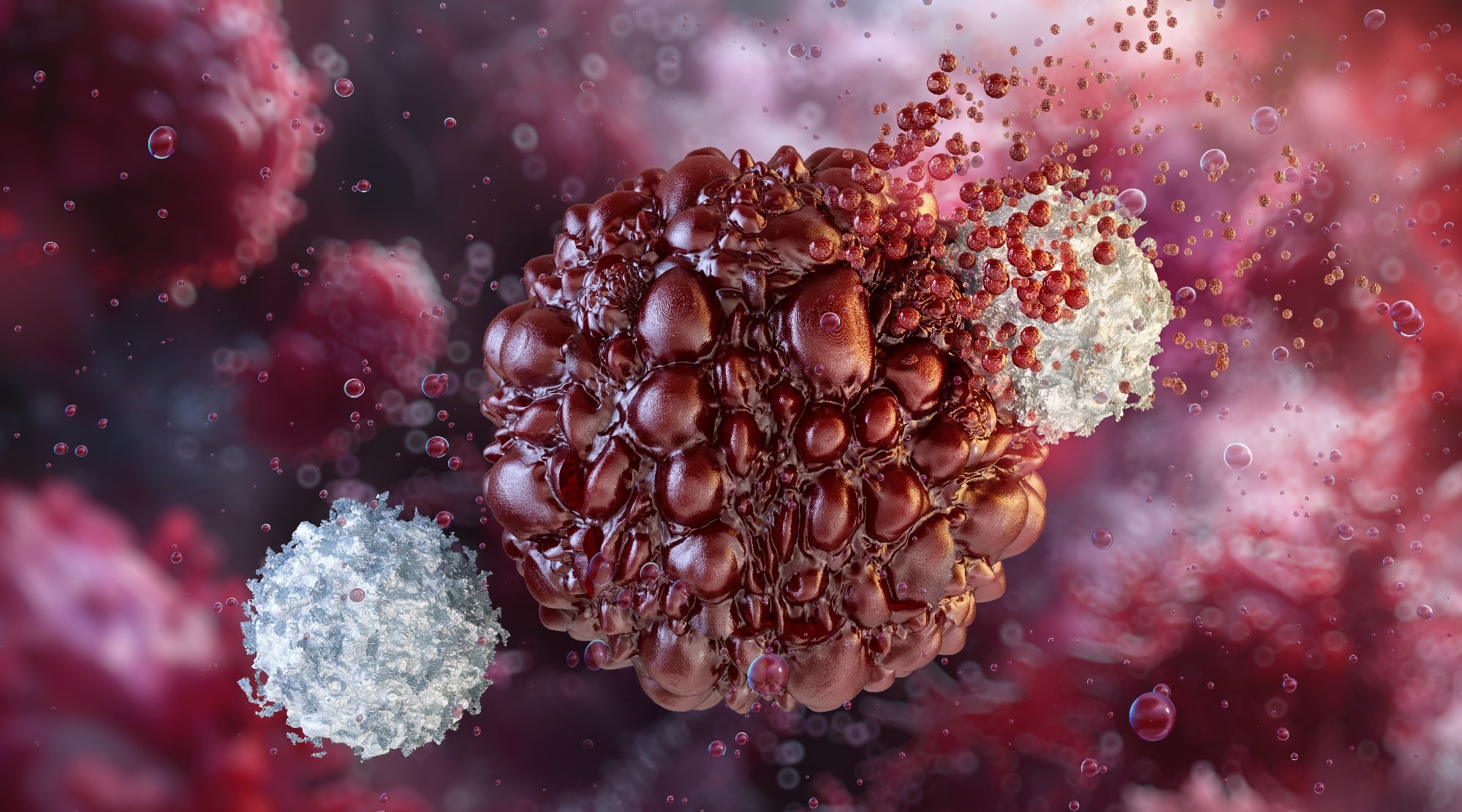
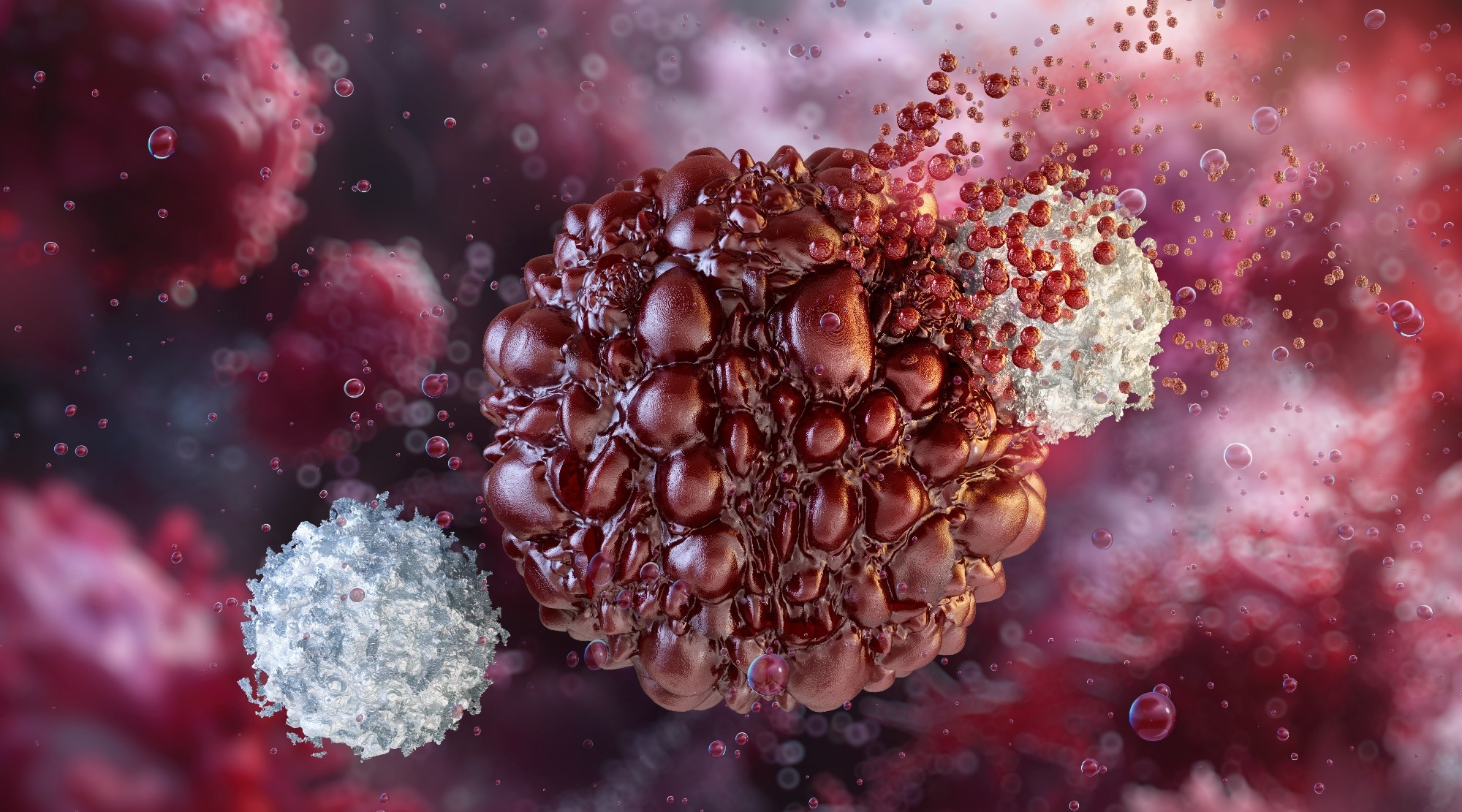
A cancer cell is being targeted by immune cells: T cells, NK cells, macrophages. Cellular interaction, phagocytosis process, activation of a mast cell, histamine granules. 3D scientific illustration 
Image Credit: Corona Borealis Studio/Shutterstock.com

CiQUS researchers have developed a novel molecular strategy that allows a chemotherapy drug to enter the nucleus of tumor cells and exert its therapeutic impact, even in drug-resistant cancers. Their findings were published in ACS Applied Materials and Interfaces.

The study focused on doxorubicin, a commonly used chemotherapy drug. Prolonged treatment with this drug frequently results in the formation of resistant cells, which causes substantial difficulties in clinical use that the new approach successfully addresses, while maintaining the drug’s antitumor efficacy.

The technique is based on a simple but powerful concept: cyclic peptides (small amino acid rings) can stack and self-assemble into hollow cylindrical structures (nanotubes) on the surface of cancer cell membranes.

The molecular-scale drug delivery, created by a team led by Juan R. Granja, binds doxorubicin to these peptides and transports it to the cell nucleus via a mechanism that bypasses common drug resistance pathways, such as efflux pumps. This enables the drug to circumvent the cellular resistance mechanisms that typically render it ineffective.

Cancer cell membranes contain more negatively charged lipids than healthy cells. The cyclic peptides used in this study have a high affinity for these anionic surfaces, facilitating their interaction with tumor cells. Consequently, the peptide-drug conjugates enter resistant cells and go to the nucleus, where doxorubicin intercalates with DNA to produce its cytotoxic impact.

Critically, the efficacy of this delivery method depends on the structure of the cyclic peptide, particularly the inclusion of hydrophobic alkyl chains of specific lengths. Experimental research indicated that the chemical structure of the cyclic peptide is critical for the creation of stable nanotubes, which improves their capacity to penetrate malignant cells. 

See also  Study shows nanoparticles make difference

Drug resistance remains one of the most significant challenges in cancer therapy. Many tumors evolve systems to actively evade drugs, significantly reducing the efficacy of existing treatments. In this situation, cyclic peptides serve as multifunctional delivery vehicles, both enhancing uptake and shielding the drug from premature expulsion from tumor cells, allowing doxorubicin to enter cells that would otherwise reject it. 

This technique, which combines selectivity, effective transport, and controlled drug release, opens the door to novel combination chemotherapies in which peptide-based nanotechnology might be a potent ally against cancer. Laboratory studies showed that versions of the peptide with ten carbon alkyl tails were the most effective, both in penetrating drug-resistant ovarian cancer cells and delivering doxorubicin to the nucleus.

The scientists anticipate that this method could spur the development of novel treatment techniques for difficult-to-treat tumors.

Journal Reference:

Vilela-Picos, M. et.al. (2025). Self-Assembling Cyclic Peptide Nanotubes for the Delivery of Doxorubicin into Drug-Resistant Cancer Cells. ACS Applied Materials and Interfaces. doi.org/10.1021/acsami.5c05264.

Source:

Centro Singular de Investigación en Química Biológica y Materiales Moleculares

Source link

Cancer delivers Drugs Nucleus Study tumor
Share. Facebook Twitter Pinterest LinkedIn Tumblr Email

Related Posts

Nanozyme Aptasensors Show Promise for Faster Food, Health, and Environmental Testing

September 1, 2026

New Versatile Nanoplatelet Platform Optimizes Tumor Imaging and Cancer Destruction

September 1, 2026

DNA Nanotechnology May Open New Paths to Stroke Repair

August 31, 2026

Nanoparticle Prime Editing Corrects Metabolic Disease Mutation in Mice

August 31, 2026
Add A Comment

Comments are closed.

Top Posts

Tiny selenium-packed exosomes help heal brain and spinal cord damage in mice

September 18, 2025

Lithium Doping for Better Performance

September 20, 2025

First graphene-based solar cells used to power temperature sensors

November 13, 2025

Subscribe to Updates

Get the latest sports news from SportsSite about soccer, football and tennis.

Explore the future with our Nanotech blog—covering innovations, research, applications, and breakthroughs shaping science, medicine, and modern technology.

We're social. Connect with us:

Facebook X (Twitter) Instagram YouTube
Top Insights

Biomass-Derived Nanomaterials Offer a Greener Route to Pollution Cleanup

September 1, 2026

Nanozyme Aptasensors Show Promise for Faster Food, Health, and Environmental Testing

September 1, 2026

Researchers Solve Two Major Problems Holding Back SiC Electronics

September 1, 2026

Subscribe to Updates

Get the latest creative news from FooBar about art, design and business.

  • Contact Us
  • Privacy Policy
  • Terms & Conditions

© 2026 elnano.com - All rights reserved.

Type above and press Enter to search. Press Esc to cancel.