
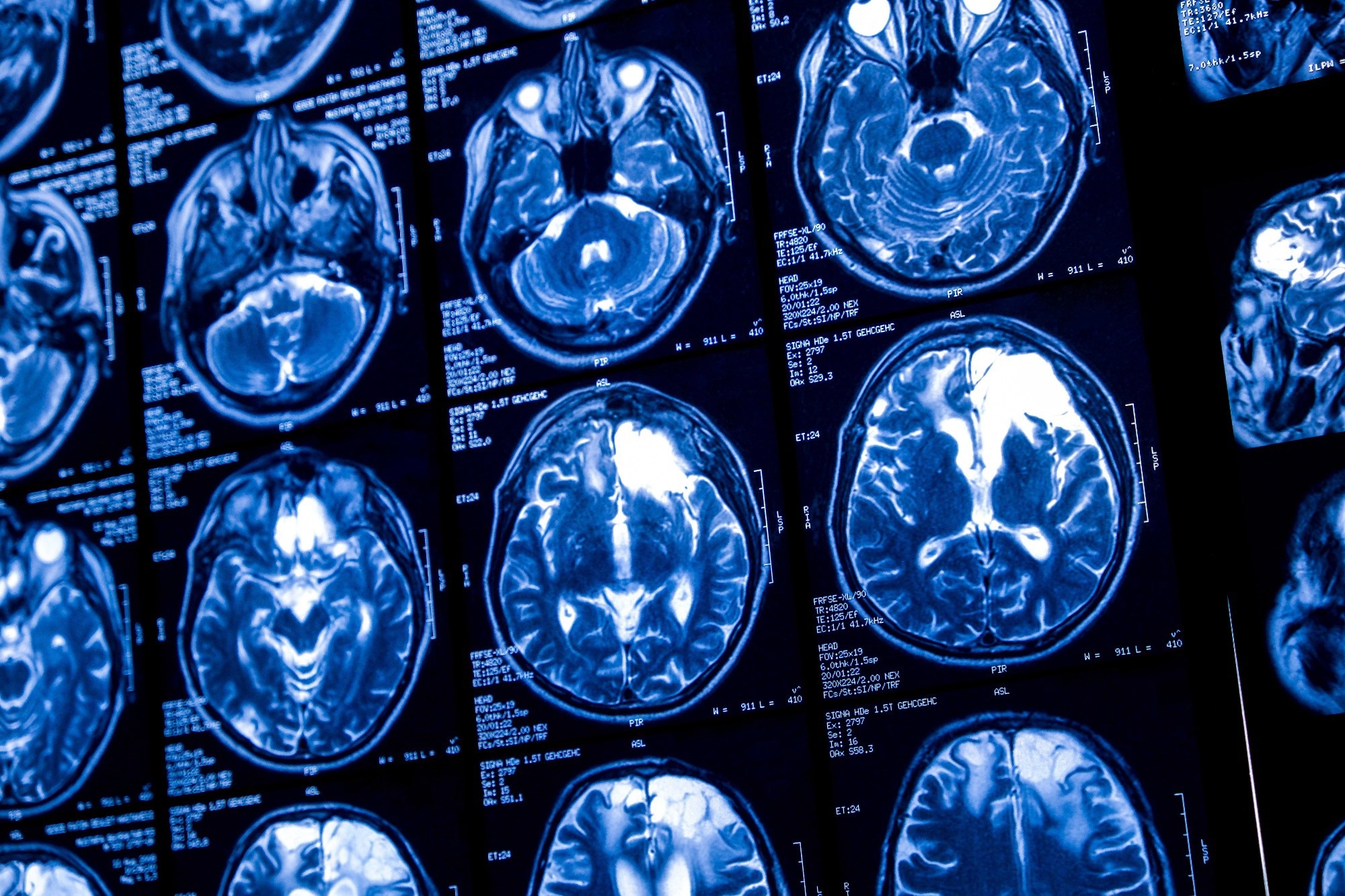
Researchers at Trinity Biomedical Sciences Institute (TBSI) have found that nanoplastics, which are even smaller than microplastics, impair energy metabolism in brain cells. The results were reported in the Journal of Hazardous Materials: Plastics.
In addition to providing fresh insight into learning and memory problems, their discoveries may help better understand neurodegenerative diseases, which are characterized by deteriorating neurological or brain function.
Under the direction of Dr. Gavin Davey and Devin Seward, an undergraduate from Trinity’s School of Biochemistry and Immunology, the study has identified the precise method via which these tiny nanoplastics might disrupt the brain’s ability to produce energy in an animal model. The results offer new information on the possible health hazards that environmental plastics could pose.
Polystyrene nanoplastics (PS-NPs) are formed when larger plastics degrade in the environment. These particles have been found in several organs throughout the body, including the brain, raising worries about their potential role in neurological disease.
The Trinity team focused on mitochondria, the “powerhouses” of cells that produce the energy required for brain activity. Mitochondrial malfunction is a common hallmark of neurodegenerative diseases, including Parkinson’s and Alzheimer’s, as well as normal aging.
By separating mitochondria from brain cells, the researchers demonstrated that exposure to PS-NPs selectively damaged the “electron transport chain,” a term for the set of protein complexes that collaborate to make cellular energy in the form of ATP.
Individual mitochondrial complexes I and II were not directly affected; nevertheless, electron transport between complexes I-III and II-III, as well as complex IV activity, was dramatically reduced.
Although some of the PS-NP concentrations used in the study were higher than current estimates of human exposure, the scientists discovered that electron transfer between complex I-III and complex II-III was potently inhibited at much lower concentrations. This implies that environmental exposures could impair bioenergetic function over long periods of time.
Interestingly, the same broad impacts were observed in synaptic mitochondria, which are required for transmission between brain cells. This shows that nanoplastics could potentially interfere with synaptic plasticity, a process essential for learning and memory.
Importantly, the rise of synthetic plastics in the mid-20th century coincided with an increased global exposure to nanoplastics, so this newly discovered mitochondrial mechanism of nanoplastic-induced neurotoxicity may therefore help to explain why rates of neurodegenerative diseases have risen in recent decades, likely adding an environmental dimension to the known genetic and lifestyle risk factors.
Dr. Gavin Davey, Enzymologist, Trinity Biomedical Sciences Institute
He added, “Our results here show a clear mitochondrial mechanism by which nanoplastics can impair brain energy metabolism. This could therefore have major implications for how environmental pollutants contribute to neurological disease and ageing.”
Devin first conceived of the initiative in 2023 while pursuing a degree in neuroscience. Devin worked at Dr. Davey’s laboratory at the School of Biochemistry and Immunology, which the Laidlaw Foundation funded through a Laidlaw Undergraduate Research and Leadership award.
Coming up with this idea and then being able to develop it in Dr Davey’s lab with the support of the Laidlaw Foundation has been an incredible experience. It has given me the opportunity to contribute to important research on environmental health at an early stage in my career, and it’s exciting to see our findings published.
Devin Seward, PhD Student, Trinity College Dublin
The study emphasizes the critical need to better understand the health impacts of plastic pollution and the significance of Trinity’s undergraduate-led research funded by the Laidlaw Foundation.
Journal Reference:
Seward, D. M. et al. (2025) Polystyrene nanoplastics target electron transport chain complexes in brain mitochondria. Journal of Hazardous Materials: Plastics. doi.org/10.1016/j.hazmp.2025.100003