
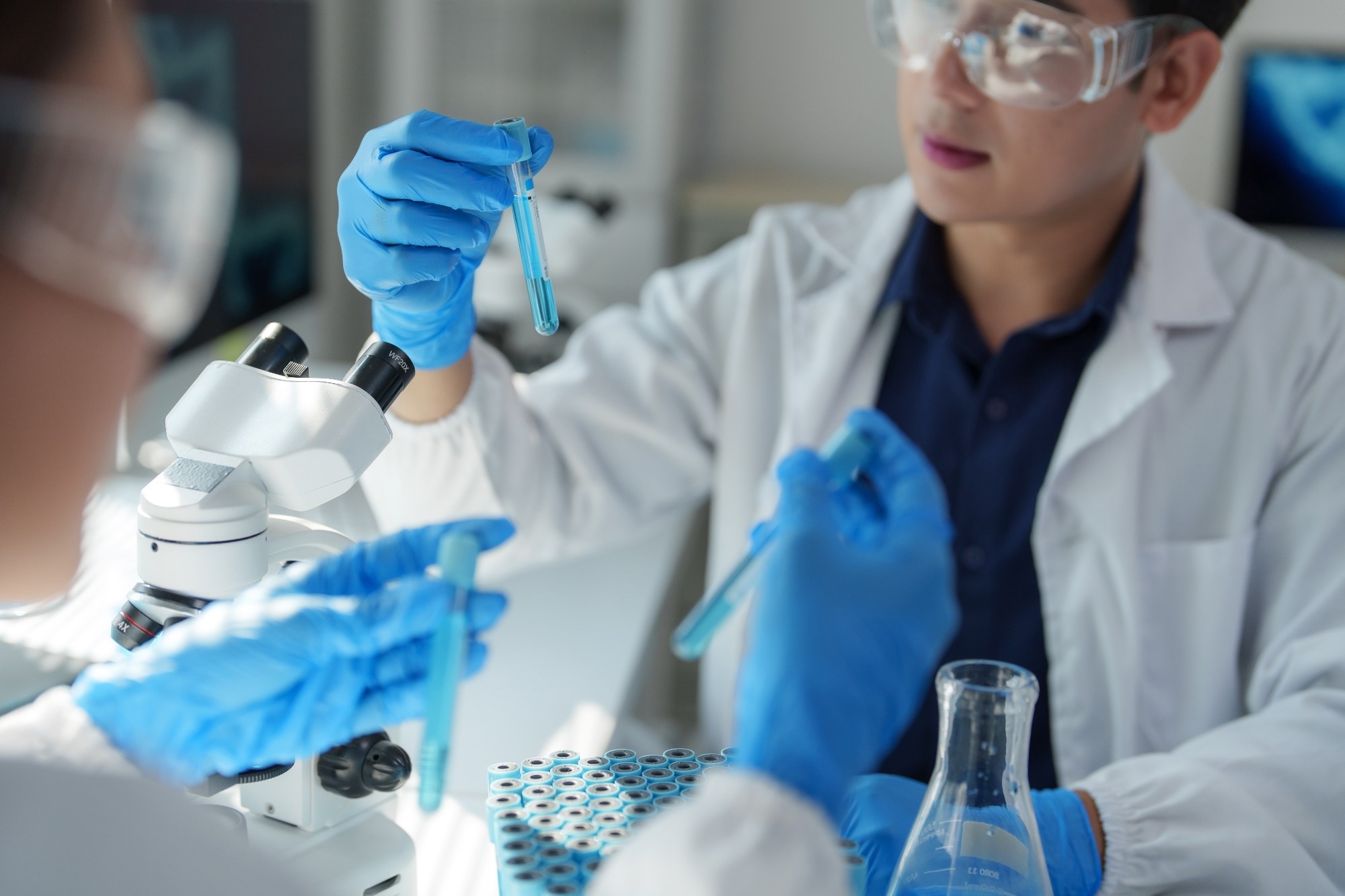
Researchers have identified over 4,000 nanomedical clinical trials in progress now, highlighting rapid growth in the field and the need for a standardized lexicon to support clinical translation and collaboration.
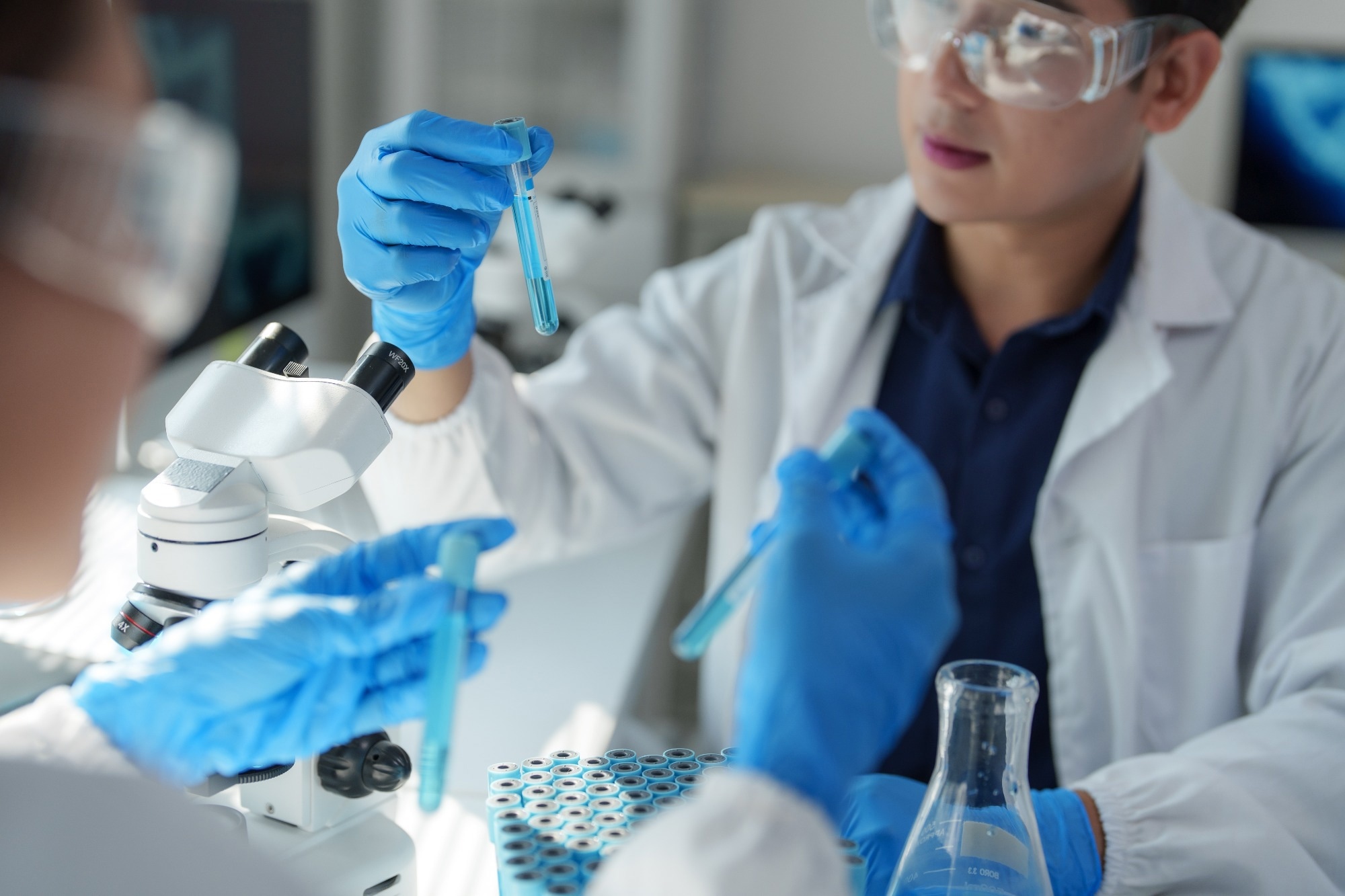 Image Credit: CrizzyStudio/Shutterstock.com
Nanotechnology is the science of materials at the nanoscale, where matter behaves differently than it does at larger scales. The unique properties at this size have enabled the development of advanced tools for drug delivery, diagnostics, and therapeutics, tools that can significantly improve how diseases are detected and treated.
When applied to healthcare, nanotechnology has the potential to enhance treatment precision, reduce side effects, and increase therapeutic efficacy. With the help of specialized nanocarriers like liposomes, polymeric nanoparticles, or metallic nanoparticles, clinicians are better equipped to target specific tissues or cells.
However, for researchers to work collaboratively and for findings to be translatable across the globe, a standardized way to understand and unpick scientific work in nanomedicine is required. A recent review published in Nano Today hopes to kickstart a lexicon to do just that.
The Landscape of Nanomedical Trials
To assess the clinical integration of nanotechnology, the researchers analyzed over 500,000 studies from the Aggregate Analysis of ClinicalTrials.gov (AACT) database. Using a novel lexicon built with expert input and generative AI, they picked out 4,114 nanomedical trials spanning various conditions and therapeutic approaches.
Their standardizing lexicon was developed in multiple stages. Experts first created a foundation of terminology, which was expanded using AI-based tools and refined through iterative review. Researchers then used PostgreSQL and Python to extract data on each trial’s registration year, phase, intervention type, and associated medical condition.
This methodology enabled the team to classify a complex and evolving clinical landscape, offering insights into how and where nanotechnology is being applied across medicine.
Trends, Growth, and Ongoing Challenges
The analysis revealed a 38 % increase in nanomedical clinical trials in recent years, reflecting growing interest and investment in this space. Oncology remains the dominant focus, accounting for nearly a third of the trials. However, applications are broadening, with notable activity in infectious diseases, respiratory conditions, and neurological disorders.
There is also increasing diversification in the types of nanocarriers being explored, as researchers seek to improve drug delivery strategies and therapeutic outcomes. But despite this momentum, nanomedical trials still make up less than 1 % of all registered studies.
The field faces several challenges that may explain this discrepancy. Regulatory frameworks for nanomedicine are still maturing, production costs remain high, and designing clinical trials for such complex technologies can be difficult.
One of the study’s key recommendations is the adoption of a universally accepted nanomedical lexicon. Standardized terminology would improve data harmonization and facilitate interdisciplinary collaboration, as well as help streamline regulatory processes. These steps are critical if science is to bring nanomedicine into broader clinical use.
The majority of the trials identified in the review are still in early phases, indicating that much of the field remains in exploratory or proof-of-concept stages. Advancing more studies to late-phase trials will be essential to demonstrating long-term safety and efficacy.
Clinical Potential and Real-World Impact
The study reinforces nanomedicine’s practical value in areas such as targeted cancer treatment, vaccine development, and advanced diagnostics. The response to COVID-19 highlighted the adaptability of nanomedical platforms, with 505 trials focused on mRNA vaccine technologies. This suggests an expanding scope that now includes respiratory infections, HIV, and other pressing global health concerns.
Integrating AI into lexicon development may help to enhance the accuracy of trial classification and support clearer communication among researchers, clinicians, and regulatory agencies. As more multifunctional nanomedicines, such as theranostic agents that combine therapy and diagnostics, enter development, the potential for personalized treatment and real-time monitoring continues to grow.
Looking Ahead: Collaboration and Standardization
The review emphasizes the need for continued interdisciplinary collaboration for nanomedicine to flourish to its full potential. Establishing consistent terminology is not a technical exercise—it lays the foundation for improved communication, regulatory alignment, and clinical adoption.
Another key step is to address existing barriers like high production costs and trial design complexity. Future work in nanomedicine will focus on developing new tools, including integrating advanced machine learning techniques, to accelerate product development and optimization. Efforts are also being made to design multifunctional nanomedicines capable of adapting to individual patient needs and providing real-time therapeutic feedback.
As the field evolves, coordinated efforts between scientists, healthcare professionals, and regulatory bodies are essential for ensuring nanotechnology meaningfully enhances patient care.
Journal Reference
Gultepe, E., & et al. (2025). The landscape of nanomedical clinical trials. nanotoday, 66(102898). DOI: 10.1016/j.nantod.2025.102898, https://www.sciencedirect.com/science/article/pii/S1748013225002701