
Close Menu
  • News
    • Medical
    • Nanomaterials
    • AI & Robotics
    • 2D Materials
    • Metamaterials
    • Nanoelectronics
    • ETF’s
    • Medicine
  • Environment
    • Earth.com
    • TreeHugger
    • Nanomuscle
  • Beauty
    • Makeupanalysis
What's Hot

Nanotechnology Plus Medicine Equal NanoMedicine

February 3, 2026

Improving PPE’s Antimicrobial Efficacy with ZnO Nanoparticles

December 5, 2025

PI Introduces Next-Generation 6-Axis Nanopositioning Alignment System

December 4, 2025
Facebook X (Twitter) Instagram
  • Contact Us
  • Privacy Policy
  • Terms & Conditions
Facebook X (Twitter) Instagram
Elnano – Global Innovative Nanotechnology SolutionsElnano – Global Innovative Nanotechnology Solutions
  • News
    • Medical
    • Nanomaterials
    • AI & Robotics
    • 2D Materials
    • Metamaterials
    • Nanoelectronics
    • ETF’s
    • Medicine
  • Environment
    • Earth.com
    • TreeHugger
    • Nanomuscle
  • Beauty
    • Makeupanalysis
Elnano – Global Innovative Nanotechnology SolutionsElnano – Global Innovative Nanotechnology Solutions
Home » Maximizing Vinegar’s Power to Combat Antibiotic Resistance
Nanomaterials

Maximizing Vinegar’s Power to Combat Antibiotic Resistance

September 23, 2025No Comments2 Mins Read
Share
Facebook Twitter LinkedIn Pinterest Email

Reviewed by Frances BriggsSep 23 2025

Adding cobalt-doped carbon nanoparticles to vinegar enhances vinegar’s antibacterial power, creating a non-toxic treatment  against drug resistant bacteria and chronic wound infections. 
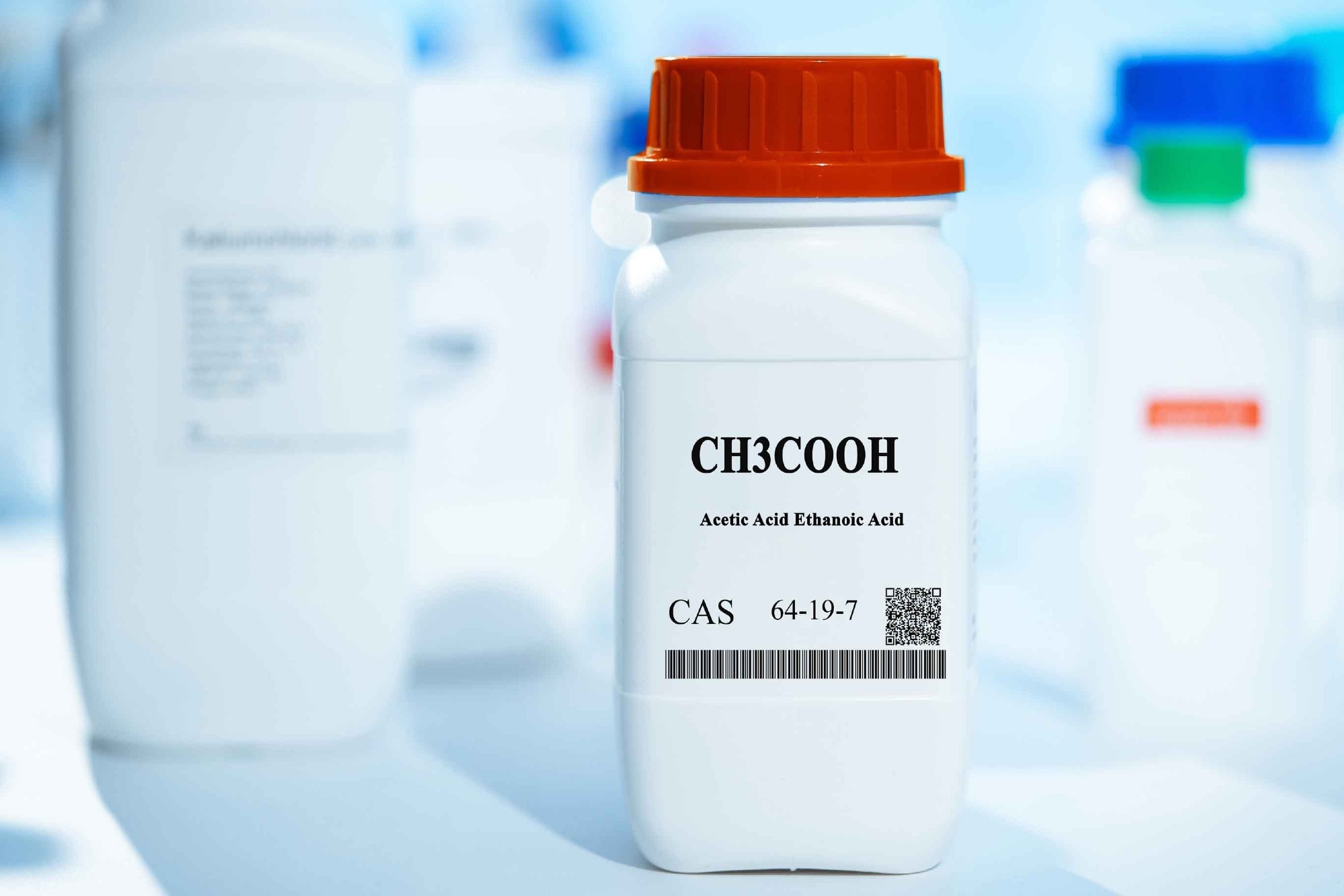
Bottle of chemical acetic acid (vinegar).Image Credit: luchschenF/Shutterstock.com

A collaborative study between QIMR Berghofer, Flinders University, and the University of Bergen has demonstrated that antimicrobial nanoparticles made from carbon and cobalt can significantly improve vinegar’s ability to kill harmful bacteria. Their findings have been published in ACS Nano.

By combining these nanoparticles with diluted acetic acid (or vinegar), the researchers have developed a formula that could combat bacterial infections more effectively and could help against antibiotic resistance. 

Chronic, non-healing wounds are often driven by persistent bacterial infections and pose serious health risks, particularly for older adults and people with conditions such as diabetes and cancer. Vinegar has long been used as a disinfectant, but it is limited by its inability to kill more resistant bacterial strains. 

Molecular biologists Dr. Adam Truskewycz and Professor Nils Halberg found that their carbon-based nanoparticles, when introduced into a weak vinegar solution, could kill several high-risk bacteria, including drug-resistant Staphylococcus aureus, Escherichia coli (E. coli), and Enterococcus faecalis. 

Dr. Truskewycz stated that the acidic conditions created by the vinegar caused bacterial cells to expand and absorb the nanoparticle treatment.

Once exposed, the nanoparticles appear to attack dangerous bacteria from both inside the bacterial cell and also on its surface, causing them to burst. Importantly, this approach is non-toxic to human cells and was shown to remove bacterial infections from mice wounds without negatively affecting healing.

Dr. Adam Truskewycz, Molecular Biologist, QIMR Berghofer

The study identified vinegar’s antibacterial properties as a significant asset in the continuous fight against the increasing levels of antimicrobial resistance globally, which is linked to approximately 4.5 million fatalities due to infectious diseases.

See also  Overcoming Ovarian Cancer Resistance with Gold Nanoparticles

Professor Halberg stated that this research demonstrated the potential of nanoparticles to enhance the efficacy of conventional bacterial therapies.

Combination treatments such as the ones highlighted in this study may help to curb antimicrobial resistance. Given this issue can kill up to 5 million people each year, it’s vital we look to find new ways of killing pathogens like viruses, bacteria, and fungi, or parasites.

Professor Nils Halberg.

Nanoparticles supercharge vinegar’s old-fashioned wound healing power

Video Credit: QIMR Berghofer

Journal Reference:

Truskewycz, A., et al. (2025) Cobalt-Doped Carbon Quantum Dots Work Synergistically with Weak Acetic Acid to Eliminate Antimicrobial-Resistant Bacterial Infections. ACS Nano. doi.org/10.1021/acsnano.5c03108.

Source link

Antibiotic Combat Maximizing Power Resistance vinegars
Share. Facebook Twitter Pinterest LinkedIn Tumblr Email

Related Posts

Plant Powered Quantum Dots Tackle Microbes and Toxic Dyes

December 3, 2025

PI’s H-815 is the New Hexapod Standard for 24/7 Industrial Applications

November 19, 2025

Light-Intensity-Dependent Transformation of Mesoscopic Molecular Assemblies

November 18, 2025

First graphene-based solar cells used to power temperature sensors

November 13, 2025
Add A Comment

Comments are closed.

Top Posts

Nature-inspired nanocage serves as gold nanoparticle reactor

September 26, 2025

Passive & Driven Air Bearing Linear Guides

September 19, 2025

Vermiculite Nanosheets for Antiferromagnetic Applications

September 19, 2025

Subscribe to Updates

Get the latest sports news from SportsSite about soccer, football and tennis.

Explore the future with our Nanotech blog—covering innovations, research, applications, and breakthroughs shaping science, medicine, and modern technology.

We're social. Connect with us:

Facebook X (Twitter) Instagram YouTube
Top Insights

Nanotechnology Plus Medicine Equal NanoMedicine

February 3, 2026

Improving PPE’s Antimicrobial Efficacy with ZnO Nanoparticles

December 5, 2025

PI Introduces Next-Generation 6-Axis Nanopositioning Alignment System

December 4, 2025

Subscribe to Updates

Get the latest creative news from FooBar about art, design and business.

  • Contact Us
  • Privacy Policy
  • Terms & Conditions

© 2026 elnano.com - All rights reserved.

Type above and press Enter to search. Press Esc to cancel.