
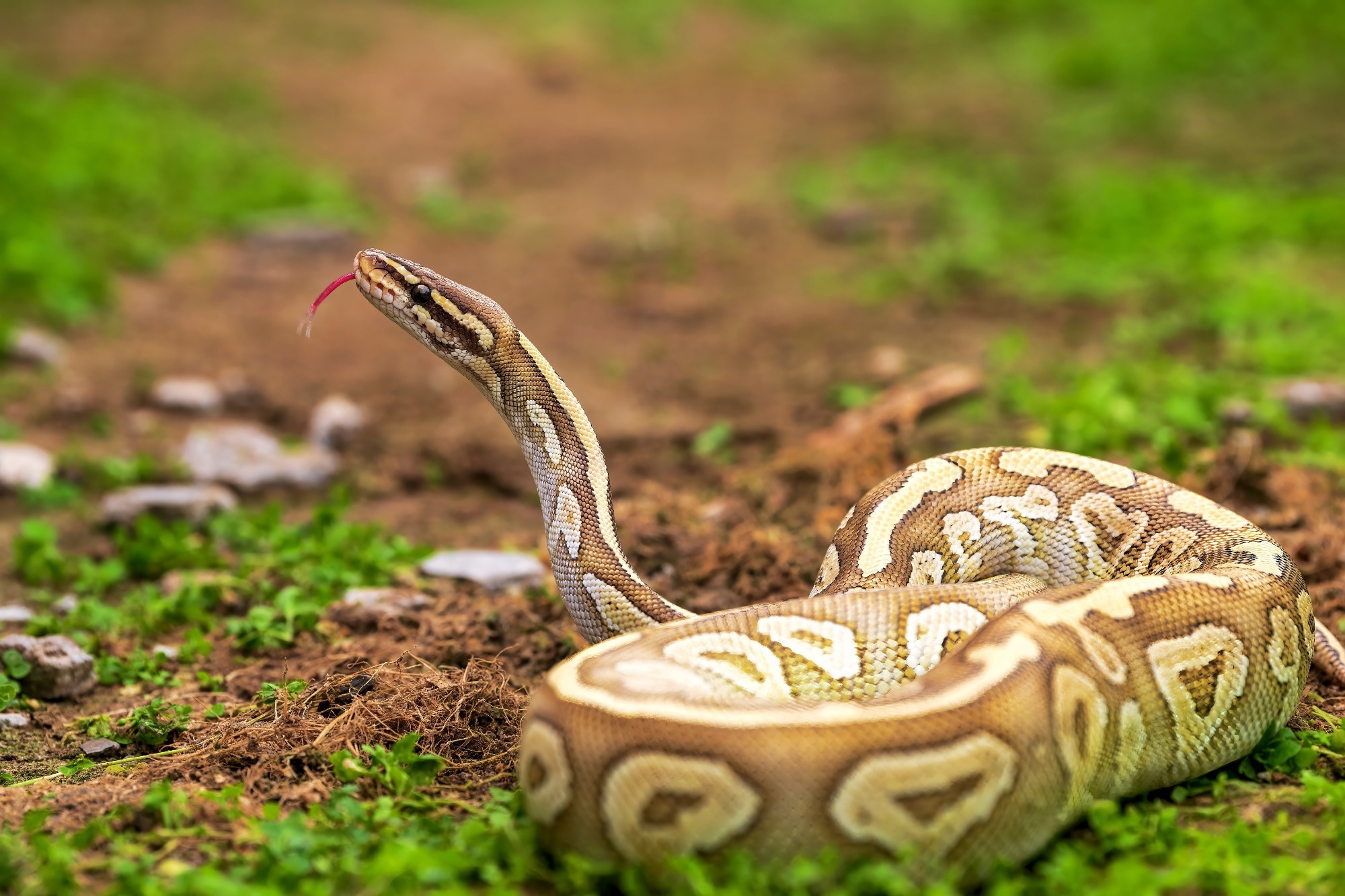
A team of international scientists has engineered an eight-nanobody cocktail that neutralizes venom from nearly all major African elapid snakes.
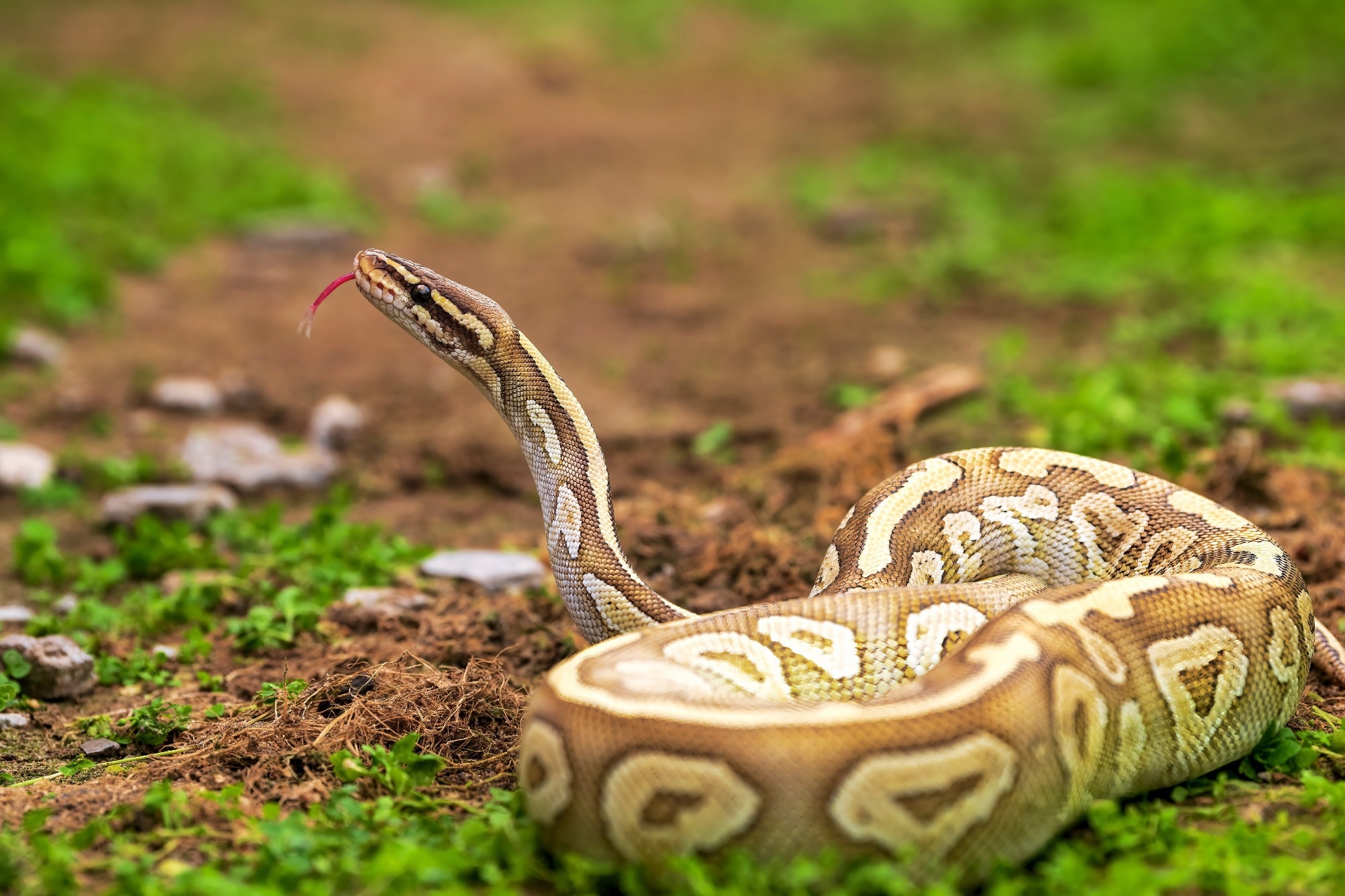 Study: Nanobody-based recombinant antivenom for cobra, mamba and rinkhals bites. Image Credit: Kiri Photography/Shutterstock.com
Recently published in Nature, the researchers reported their miniature, single-domain antibodies capable of neutralizing venom from a broad range of deadly African snakes.
The work demonstrates a stable and scalable alternative to traditional plasma-derived treatments and shows that the precisely engineered eight-nanobody cocktail can protect against most medically important elapid species.
Snakebite venom is a significant concern across sub-Saharan Africa. It causes thousands of deaths and amputations each year.
Existing antivenoms, made from animal plasma, are lifesaving but limited: they’re expensive to produce, vary between batches, and often fail to neutralize the wide diversity of venoms.
Nanobodies, the smallest naturally occurring antibody fragments, can provide several advantages.
Their small size (~15 kDa) allows them to reach toxin targets far more effectively than full-size antibodies. They’re also remarkably stable across temperature and pH extremes, making them easier to store and transport in challenging environments.
Designing the Antivenom
Researchers first immunized an alpaca and a llama with venoms from 18 African elapid snakes, including cobras, mambas, and a rinkhals.
Using phage display libraries, they screened thousands of nanobodies for strong, cross-reactive binding to major venom toxin families, including short and long neurotoxins, cytotoxins, and phospholipase A2 enzymes.
From this pool, they selected eight nanobodies targeting seven key toxin subfamilies and combined them into a defined oligoclonal recombinant antivenom.
The mixture was tested in mice using both pre-incubation (preventive) and rescue (post-envenoming) models, and benchmarked against the commercial antivenom Inoserp PAN-AFRICA.
Get all the details: Grab your PDF here!
Results
The recombinant nanobody-based antivenom neutralized venom-induced lethality in 17 of 18 African elapid species, with only Dendroaspis angusticeps showing partial protection.
It performed as well as or better than the plasma-derived antivenom in most tests, although efficacy was somewhat reduced for certain mamba species, such as D. polylepis and D. jamesoni, in rescue models.
The eight nanobodies worked in tandem across multiple toxin families, blocking neurotoxins, cytotoxins, and phospholipase A2 enzymes from binding to physiological targets.
Structural studies revealed that each nanobody recognizes conserved regions on toxins, even those buried within narrow surface grooves, explaining their broad reactivity.
The nanobodies also proved to be highly heat- and pH-stable, making them ideal for use in tropical field conditions.
Because they can be produced in microbial systems, they show potential for consistent, large-scale, and cost-effective manufacturing.
Protection Against Tissue Damage
A key strength of the study was its focus on dermonecrosis, the severe tissue destruction caused by cytotoxic venoms from species such as Naja nigricollis and Naja mossambica.
The nanobody cocktail significantly reduced skin lesions in mice, especially when administered locally (intradermally), outperforming commercially available Inoserp PAN-AFRICA, which showed limited protection.
These results suggest that targeted or regional delivery could enhance clinical outcomes.
Significance of the Nanobody Antivenom
The findings show that just eight nanobodies can achieve near-continent-wide protection against African elapid bites, once thought impossible without complex polyclonal mixtures.
While further work is needed to optimize dosing and extend protection to all species, the study provides the most substantial proof yet that recombinant nanobody-based therapies could eventually replace plasma-derived antivenoms.
With their stability, precision, and scalability, nanobody antivenoms have the potential to transform snakebite care.
Journal Reference
Ahmadi S., et al. (2025). Nanobody-based recombinant antivenom for cobra, mamba and rinkhals bites. Nature. DOI: 10.1038/s41586-025-09661-0