
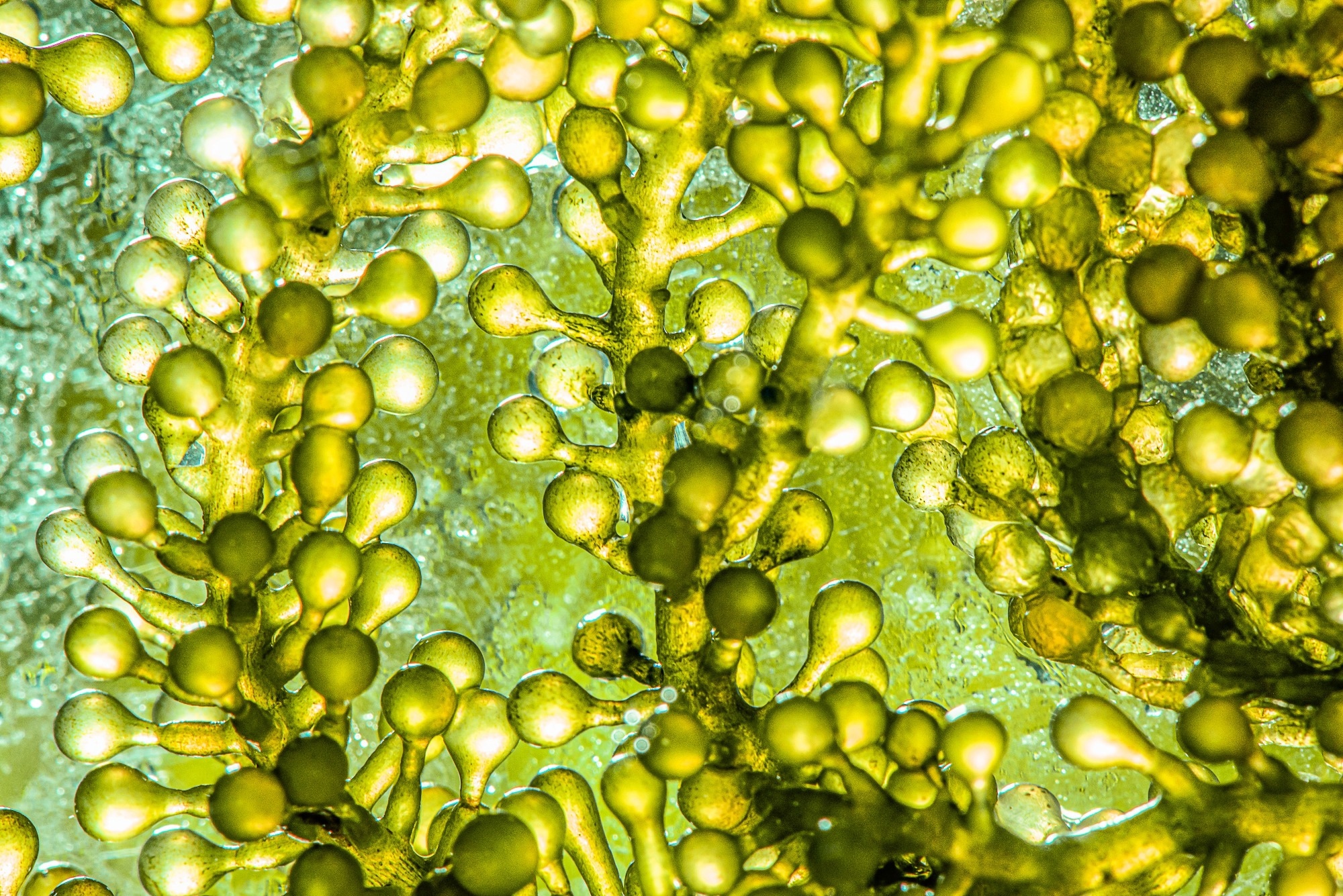
A new approach for cancer treatment involves the use of microalgal-derived nanoparticles. A recent review in Frontiers in Bioengineering and Biotechnology examines their potential as a sustainable and biocompatible solution.
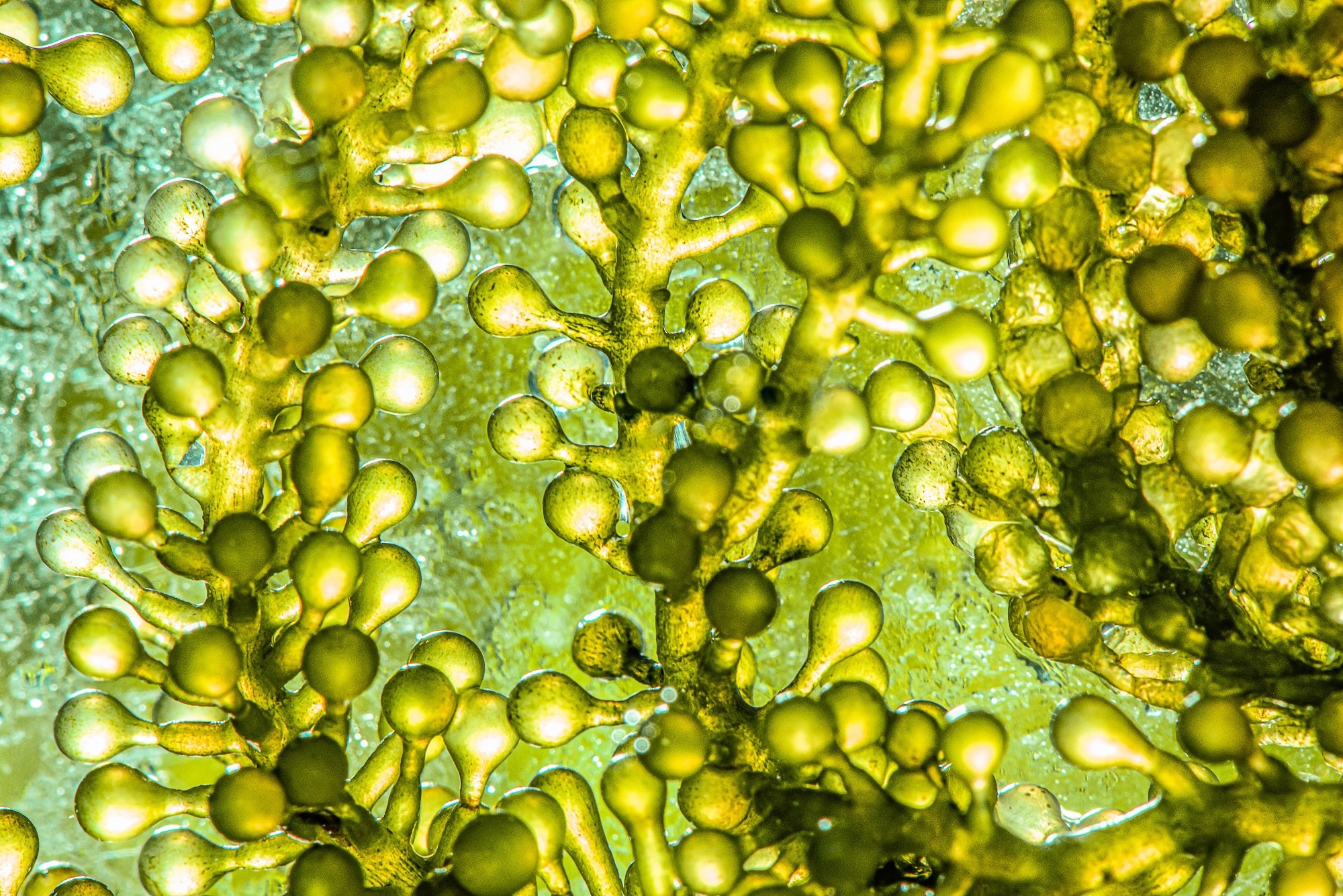
Image Credit: Chokniti-Studio/Shutterstock.com
Promise and Limitations
Nanoparticles (NPs), defined as particles of between one and 100 nanometers, possess unique physical, chemical, and biological properties that are not observed in bulk materials. Their enhanced surface area, quantum effects, and increased reactivity make them particularly valuable in drug delivery, imaging, and cancer therapeutics.
However, traditional synthesis methods often involve hazardous chemicals or energy-intensive processes, raising toxicity and environmental concerns that hinder their wider clinical adoption. To address this, researchers are increasingly turning to green synthesis, using biological systems to produce nanoparticles under milder, more environmentally friendly conditions.
Microalgae are a particularly attractive source. Rich in enzymes, bioactive compounds, and metabolites, microalgae can reduce metal ions into nanoparticles without toxic reagents or high temperatures. The resulting biogenic nanoparticles offer high biocompatibility and can be tailored to induce cytotoxicity in cancer cells while sparing healthy tissues.
Harnessing Microalgae for Nanoparticle Synthesis
The review assessed numerous studies that showcase how various microalgal species, including Chlorella, Spirulina, and Scenedesmus, have been used to synthesize metallic nanoparticles such as silver (AgNPs).
Typically, microalgal biomass is suspended in aqueous solutions of metal salts, commonly silver nitrate, and bioreduction is initiated through metabolic extracts or secreted compounds. A visible color change, often from clear to yellow or brown, signals successful nanoparticle formation.
To characterize these particles, researchers use techniques like transmission electron microscopy (TEM) to assess morphology, UV-visible spectroscopy for optical properties, energy-dispersive X-ray spectroscopy (EDX) for elemental analysis, and Fourier-transform infrared spectroscopy (FTIR) to evaluate surface chemistry and functional groups.
Microalgae like Dunaliella salina have also been employed to produce gold nanoparticles (AuNPs) with similarly impressive biomedical potential.
Such nanoparticles can form either intracellularly, via metal ion uptake and reduction inside the cells, or extracellularly, where secreted metabolites mediate reduction on cell surfaces or in the surrounding medium. This multi-pathway mechanism includes key stages: activation (reduction and nucleation), growth (particle aggregation), and termination (stabilization or biomineralization).
Tailoring Nanoparticle Properties for Cancer Therapy
The review focuses on how synthesis parameters, like temperature, reactant concentration, and the specific microalgal strain, can affect the size, shape, and surface charge of the synthesized nanoparticles.
Studies have shown that these characteristics directly influence biological activity and therapeutic efficacy. Those cited in the review demonstrate that microalgal nanoparticles can be fine-tuned for targeted cytotoxic effects against various cancer cell lines while exhibiting low toxicity in healthy cells.
The mechanism behind this is believed to involve several pathways, including the generation of reactive oxygen species (ROS), disruption of cancer cell membrane integrity, and the induction of apoptosis.
Due to their small size, nanoparticles can also take advantage of the enhanced permeability and retention (EPR) effect, enabling them to accumulate selectively in tumor tissues. Functionalizing the nanoparticle surface with targeting ligands or anticancer drugs further enhances specificity and improves therapeutic outcomes.
Opportunities and Ongoing Challenges
The review highlights several advantages of microalgal-based nanoparticle synthesis. These include sustainability, low production costs, scalability, and the ability to control physicochemical properties through natural capping agents, which help stabilize the nanoparticles and support their compatibility for biomedical applications.
The authors also highlight the opportunities for integrating synthetic biology and genetic engineering to enhance microalgal strains. By fine-tuning metabolic pathways, it may be possible to increase both the yield and quality of nanoparticles.
However, more research is still required to achieve consistent nanoparticle size and morphology, understand long-term biocompatibility, and establish standardized, reproducible production protocols. While in vitro studies have shown promising results, translating these findings into clinically viable therapies will require extensive in vivo testing and regulatory validation.
Journal Reference
Garlapati V.K., et al. (2025). Sustainable production of microalgal nanoparticles through green synthesis towards cancer treatment. Frontiers in Bioengineering and Biotechnology, 13, 1621876. DOI: 10.3389/fbioe.2025.1621876, https://www.frontiersin.org/journals/bioengineering-and-biotechnology/articles/10.3389/fbioe.2025.1621876/full