
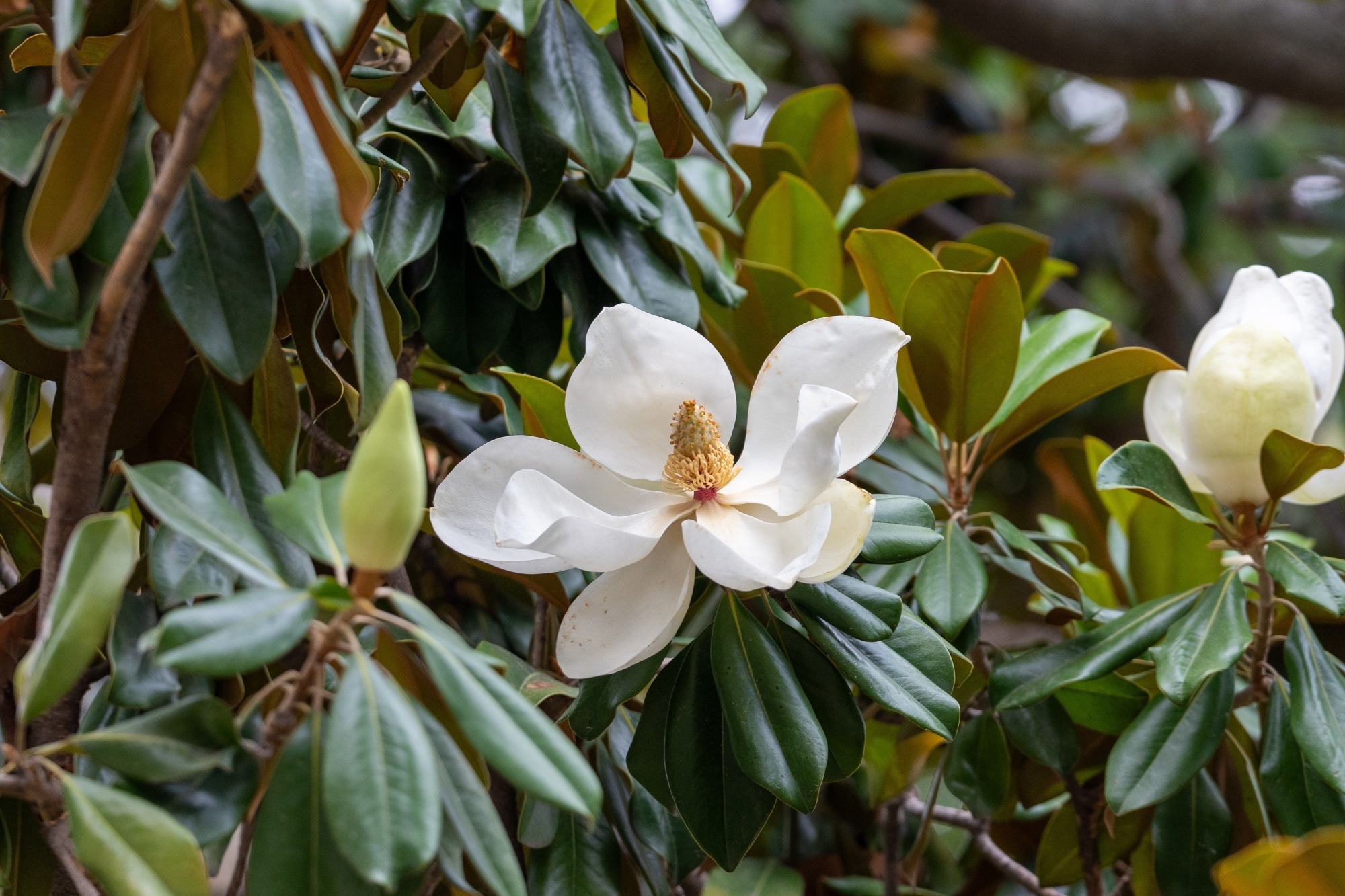
Researchers have developed eco-friendly silver nanoparticles from Magnolia alba leaf extract. These nanoparticles show enhanced antioxidant and dye-degrading properties with potential medical and environmental applications.
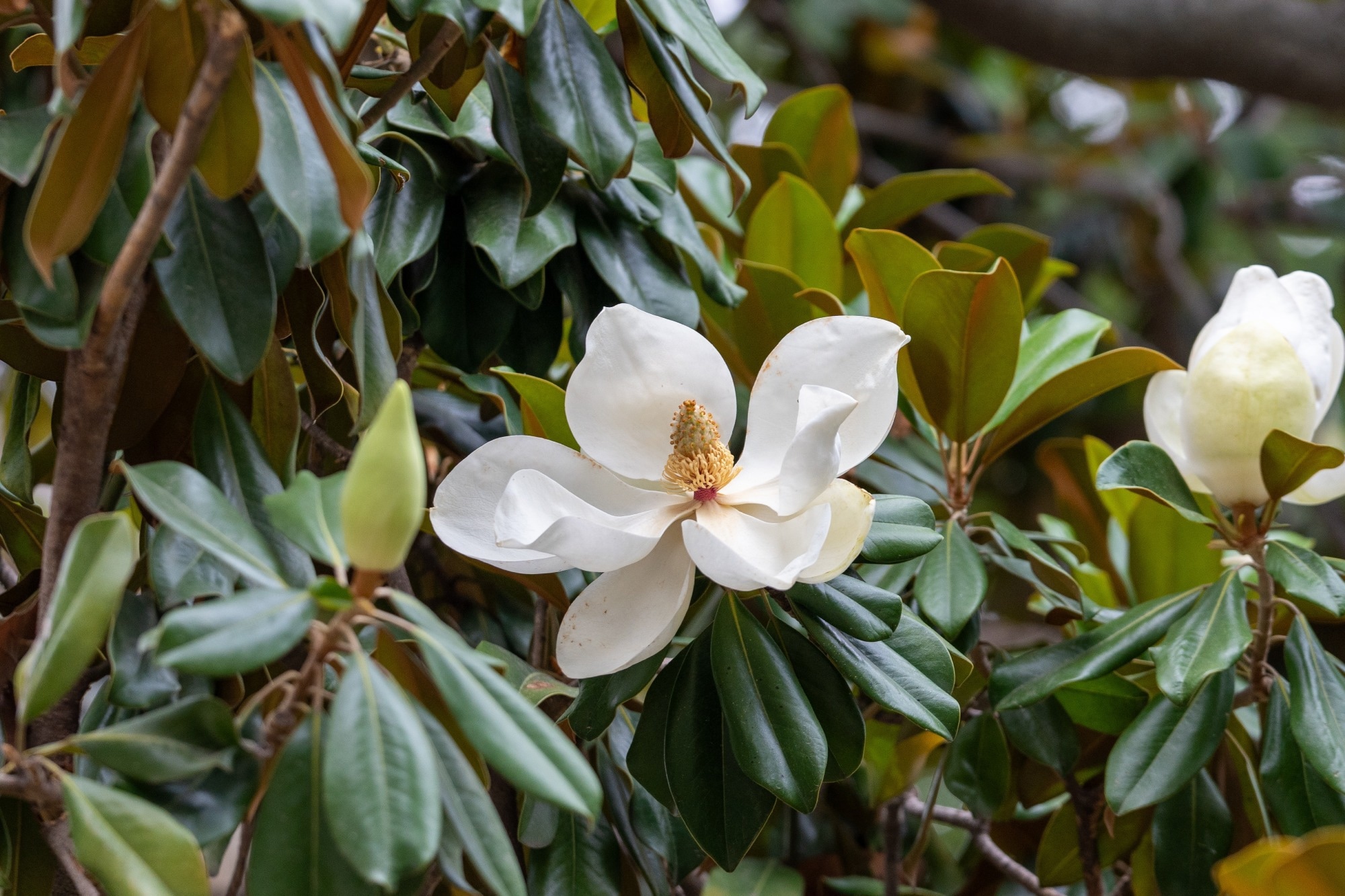
Image Credit: Vr33s/Shutterstock.com
Plant-Based Alternative to Chemical Methods
Silver nanoparticles are valued for their antimicrobial, antioxidant, and anticancer effects, but conventional production methods often use hazardous chemicals and require large volumes of energy.
Plant-based silver nanoparticles, using plant extracts rich in natural compounds such as phenols and flavonoids, present a safer, more sustainable, and cost-effective alternative. These phytochemicals act as both reducing and capping agents, facilitating the formation of stable nanoparticles while avoiding toxic by-products.
Different plant extracts influence the size, shape, and biological activity of the nanoparticles produced. Magnolia alba, known for its diverse phytochemicals, has never been tested for nanoparticle synthesis until now.
Synthesis
Described in Scientific Reports, the researchers collected Magnolia alba leaves, processing them to produce an aqueous leaf extract (MLE).
Phytochemical screening confirmed the extract’s diversity; MLE contained secondary metabolites including carbohydrates, proteins, saponins, steroids, tannins, and terpenoids.
The team used a green synthetic method to produce the silver nanoparticles, mixing an aqueous silver nitrate (AgNO3) solution with MLE under controlled conditions. The silver ions (Ag+) were reduced to metallic silver (Ag0), resulting in a visible colour change in the solution from pale to dark brown.
Characterisation using scanning electron microscopy (SEM) showed the nanoparticles were spherical, with an approximate size of 40 nm, an optimal range for cellular uptake in biomedical applications. The nanoparticles remained stable for at least six months when stored at 4 °C.
Antioxidant Activity Enhanced
The researchers assessed the antioxidant potential of the nanoparticles by measuring total flavonoid content (TFC) and total phenolic content (TPC).
TFC was determined using an aluminium chloride colourimetric method, which measures the ability of flavonoids to form complexes with aluminium ions, detectable at 415 nm. TPC was quantified with the Folin-Ciocalteu reagent, which reacts with phenolic compounds to produce a blue chromogen, detected at 765 nm.
Both TFC and TPC were significantly higher in the nanoparticle formulations than in the leaf extract. These findings indicate that the surface-bound flavonoid and phenolic compounds enhanced the free radical scavenging capabilities of the nanoparticles.
This could be particularly valuable in applications aimed at mitigating oxidative stress, including cancer therapy, wound healing, and drug delivery.
Photocatalytic Potential for Water Treatment
Photocatalytic degradation studies demonstrated the potential of the nanoparticles in environmental cleanup. They successfully decolorized methyl orange dye in water, which the researchers used to simulate wastewater contamination.
In the experiment, the nanoparticles were mixed with a methyl orange solution and sodium borohydride (NaBH4) as a reducing agent. The team measured the dye’s absorbance at regular intervals to track its degradation.
Results showed efficient dye breakdown under mild conditions, which was attributed to the large surface area and reactive surface sites of the MLE silver nanoparticles, demonstrating their potential for environmental remediation.
What’s Next?
The study presented the formation of stable, spherical silver nanoparticles, approximately 40 nm in size, using a green, eco-friendly method and Magnolia alba leaf extract.
The nanoparticles displayed enhanced antioxidant capacities, likely due to the phytochemicals retained on their surface, and demonstrated significant photocatalytic activity in dye degradation tests.
To assess the biocompatibility and cytotoxicity of these nanoparticles, further studies are recommended, as well as tests to evaluate their performance in practical, real-world scenarios. Such work could help establish Magnolia alba-derived silver nanoparticles as a safe and effective option for both medical and environmental applications.
Journal Reference
De Mel S., et al. (2025). Green synthesis of silver nanoparticles using Magnolia alba leaf extracts and evaluating their antimicrobial, anticancer, antioxidant, and photocatalytic properties. Scientific Reports 15, 23709. DOI: 10.1038/s41598-025-08468-3, https://www.nature.com/articles/s41598-025-08468-3.